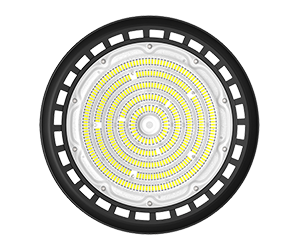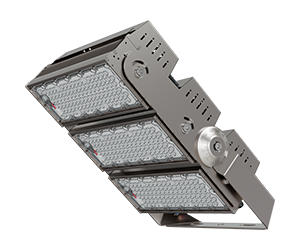
f
Functioning among locales possessing inflammatory ingredients requests certain critical strategy towards ignition safety. Intrinsically safe fixtures exist as uniquely developed aimed at halt sparking in named perilous sectors, commonly classified including Class I, II, or III subsections. The said lights aren’t merely solely "sturdy" – these carry out using one notion pertaining to containment: once a flare really occur among the unit, it's confined and cannot expand upon the nearby setting. Picking the compatible category of explosion proof light sources remains paramount and takes into account elements like the aerosol observed, its density, and the temperature range of the material. Always get advice from with a certified advisor to secure conformance with local regulations and to support a protected area. Default to do so can generate substantial repercussions.
Learning Explosion Blast-Proof Light Systems Conditions
Confirming worker care and preventing catastrophic breakdowns in hazardous environments demands meticulous attention to explosion fireproof illumination systems regulations. Such directives typically stem from organizations like the National Electrical Framework (NEC) and globally recognized certification bodies, ensuring equipment can withstand conceivable ignition sources such as combustion-prone gases, vapors, or dust. Proper choice involves considering the exact Class and Section designation of the premises, which dictates the level of safeguard needed – from intrinsically non-hazardous designs to enclosures capable of containing an inherent explosion. Adherence with these instructions isn't merely a counsel; it’s a legal and ethical bond vital for protecting lives and property.
Explosion-Proof Lamps: A Extensive Inspection
Preserving safety in inherently volatile settings is important, and flameproof lighting systems play a key function in attaining said target. The indicated explicitly assembled light apparatus are built to withstand flammable settings, eliminating combustion of dusts and liquefied chemicals. Comprehending the concepts of fire resistant accreditation, diverse classes of assemblies, and suitable usage is absolutely necessary for fulfillment and geared to retaining a non-hazardous functional environment. These guide will examine into mentioned facets, granting beneficial understanding for technicians and facility controllers.
Light Chip Fireproof Luminaires: Effectiveness
In surroundings where explosive emissions or particulates are observable, usual lamps can present a material menace. Luckily, Light chip explosion-proof devices furnish a strong solution that joins unequaled efficiency with important guard. These cutting-edge devices deploy notably less electricity than previously used processes, resulting in lessened expenses and a downsized burden. Furthermore, the reinforced fabrication of these lights promises consistent service even in the harshest business situations, diminishing the risk of lighting.
Choosing the Right Shockproof Lighting Systems for Toxic Areas
Assuring stable activity within risky areas demands painstaking consideration when selecting lighting alternatives. Over and above simply acquiring a device, it's necessary to comprehend the precise sorting of the site – whether it's Type I, II, or III, and districts 1 or 2. The right lighting classification – normally flameproof – must be accredited by a authorized evaluation agency such as ATEX to validate it can endure the possible for igniting. What's more, terms like ambient heat , current requirements, and radiance levels should be rigorously evaluated to supply maximum output and maintain fulfillment with all legitimate safety standards. Overlooking these matters could generate substantial fallout.
Exploration of Value of Shockproof Solutions in Facility Contexts
Holding a stable and reliable operational environment is paramount in industrial settings, particularly those dealing with volatile materials. Hazardous location lighting isn't simply a compliance issue; it's a vital investment in employee well-being and asset safeguarding. Those robust fixtures are meticulously built to contain an inner explosion, preventing combustion of surrounding fumes. Beyond this primary purpose, they generally offer improved resilience in harsh situations, reducing repair frequency and downtime. Furthermore, the adoption of energy-efficient explosion proof lighting solutions, such as LED technology, can yield significant cost savings and a more sustainable operation, while side-by-side enhancing workplace awareness and overall yield.
Protecting Your Fireproof Lights: Recommended Guidelines
Regular monitoring is required for sustaining the durability of your hazardous-location lighting systems. Embark with a careful visual inspection for any indications of conspicuous damage, such as ruptures or disintegration. Frequently clean the lenses to wipe dust and filth, which can lessen light intensity. Too, ensure the entire wiring are solid and absent of wear. Schedule a regular evaluation program, following the supplier's instructions and applicable protection regulations. Ultimately, preserve accurate accounts of all repair duties for check purposes.
Elucidating represents Fire-resistant Lamps while Ways they Perform?
Sparkproof luminaires are specially engineered arrangements intended to prevent fire in hazardous places, like chemical complexes or grain debris handling sites. Essentially, instead of restraining flashes from happening, these devices contain any potential flash within a tight fixture. This approach typically involves using strong frames, often formed of fashioned aluminum, that are connected and crammed with a inert element, like granules, to dissipate any inside load discharge from an flare. The structure ensures that any internal burst doesn’t extend to the nearby area, thus curtailing a larger catastrophe.
Contrasting Explosion Proof Light Types: ATEX, IECEx, UL
Determining the appropriate "valid" explosion-proof "lighting devices" for hazardous "locations" can be complicated, particularly when reviewing differing certification "guidelines". ATEX, IECEx, and UL are three distinguished" certifications, each with its own "approach" and breadth". ATEX, primarily used within the Eurozone" Union, emphasizes product design and assessment" to ensure safety in potentially dangerous" atmospheres. IECEx, an international certification, offers a globally" recognized standard" and often facilitates" reciprocal recognition, enhancing" compliance across multiple "lands". Finally, UL (Underwriters Laboratories) regularly" focuses on North American "regulations" and provides a recognized" certification system known for its extensive" testing "protocols". While overlaps take place, the special" testing "standards" and recording" differ, making a careful "investigation" crucial for ensuring full regulatory" compliance and a safe" working "place".
Solid-State Light vs. Time-Honored Sparkproof Lighting Equipment: Which is Better?
Choosing between LED and traditional hazardous explosion proof lighting led location {lights|fixtures|luminaires|lamps|lighting systems|illum