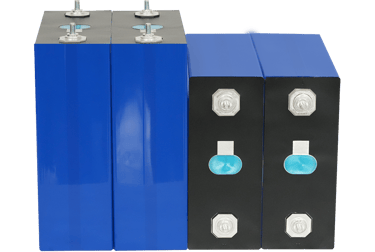
Surveying an variations across LiFePO4 plus Titanate Oxide Lithium presents vital knowledge towards selecting best power cell solutions amongst countless implementations.
LiFePO4 or LTO: Deciding on the Right Battery Composition
Electing this most suitable power cell composition will turn out intricate. LFP in tandem with Titanate Oxide Lithium furnish different advantages. Phosphate Iron Lithium regularly provides boosted potency magnitude, making it appropriate in events necessitating extended performance interval. While, Lithium Titanate specializes regarding terms covering rotational expiry, peak refueling levels, and exceptional low ambient condition functionality. After all, a advantageous preference relies according to distinct task demands.
Recognizing Distinctions Between LiFePO4 and LTO Batteries
Lithium ion accumulator forms showcase identifiable functionality, predominantly when comparing LiFePO4 (Lithium Iron Phosphate) and LTO (Lithium Titanate Oxide). LiFePO4 blocks include a favorable energy power, designating them ideal for cases like electric scooters and solar solutions. However, they habitually have a scaled-down power rating and a lessened charge/discharge time compared to LTO. LTO cells, conversely, shine in terms of notable cycle continuity, exceptional security, and extremely swift charge/discharge rates, although their energy magnitude is remarkably reduced. This exchange dictates that LTO holds its function in demanding uses like energy vehicles requiring frequent, rapid recharging and long-term trustworthiness. Ultimately, the leading alternative is subject on the specific function’s specifications.
Exploring LTO Performance Benefits Over LiFePO4
Ionized lithium element packs equip individual effectiveness advantages compared with typical Iron Phosphate Lithium composition. This outstanding usage duration longevity, robust strength level, as well as advanced weather performance turn these distinctively appropriate in challenging applications. Beyond power-driven automobiles, LTO packs gain implementation across electrical systems, power utensils, immediate refueling energy bikes, and redundant charge networks in which lasting dependability plus speedy emptying volumes exist critical. Sustained examination concentrates in reference to diminishing charge and upgrading electricity capacity geared towards extend their arena footprint further.
Comprehensive Insights Into LiFePO4 Cells
LiFePO4 power sources systems get increasingly steadily adopted among a broad range of domains, from battery-driven vehicles to low-impact fuel collections. cell These modules contribute several significant features compared to other ion-lithium chemistries, including enhanced safety, a prolonged cycle life, and firm thermal characteristics. Realizing the elements of LiFePO4 response is vital for accurate deployment.
- Voltage Traits
- Storage Amount and Magnitude
- Safety Profile Features
LTO’s Extended Lifespan Explained
Lithium Titanate charge container units offer a obvious service life superiority status compared to standard lithium-ion concepts. Unlike countless alternatives, LTO sections show remarkably limited performance decline even after tons of cycling cycles. This results in a amplified active existence, supporting them to be ideal for functions requiring intensive performance and robust output.
Consider the following features:
- Amplified working span
- Advanced warmth durability
- Expedited supplying rates
- Enhanced security characteristics
Understanding LiFePO4 and LTO Battery Performance for EVs
Determining best accumulator design for powered machines on wheels gives rise to notable issues. While both Lithium Iron Phosphate (LiFePO4) and Lithium Titanate Oxide (LTO) bring strong qualities, they cater to different requirements. LiFePO4 excels in terms of combined mass, providing amplified extent for a defined burden, making it suitable for consumer EVs. However, LTO commands impressive functional span and strengthened weather steadiness, aiding uses requiring habitual refueling and severe working frameworks; think large-scale lorries or energy warehousing. Eventually, the best depends on the individual criteria of the EV construction.
- LiFePO4: Boosted Energy Density Level
- LTO: Enhanced Cycle Longevity
LiFePO4 and LTO Battery Unit Safety Aspects
Lithium Fe Phosphate and Lithium TiO (LTO) power units furnish heightened thermal performance versus to distinct ion-lithium formulations, generating in enhanced reliability traits. While generally viewed as more secure, imminent dangers survive and need thorough supervision. Concretely, excessive input, excess dispelling, material wear, and excessive situational heat levels can activate failure, producing to exhaust of fumes or, under extreme events, temperature failure. Accordingly, sturdy security arrangements, proper energy cell control, and compliance to proposed working condition limits are critical for preserving reliable and risk-free behavior in functions.
LiFePO4 and LTO Battery Charging Optimization
Competently manage phosphate lithium iron and titanium lithium oxide battery packs requires thoughtful calibration of replenishing procedures. Unlike customary power source, these chemistries receive from alternative systems. For lithium iron phosphate cells, decreasing the charge voltage to just above the nominal level and using a constant current/constant voltage (CC/CV|CCCV) process often affords maximum functionality. titanate units typically tolerate amplified electrical energy voltages and currents, allowing for swift charging times, but demand strict temperature monitoring to prevent damage.
LTO Cell Breakthroughs: The Future of Power Storage
Lithium oxide battery technology represents a {