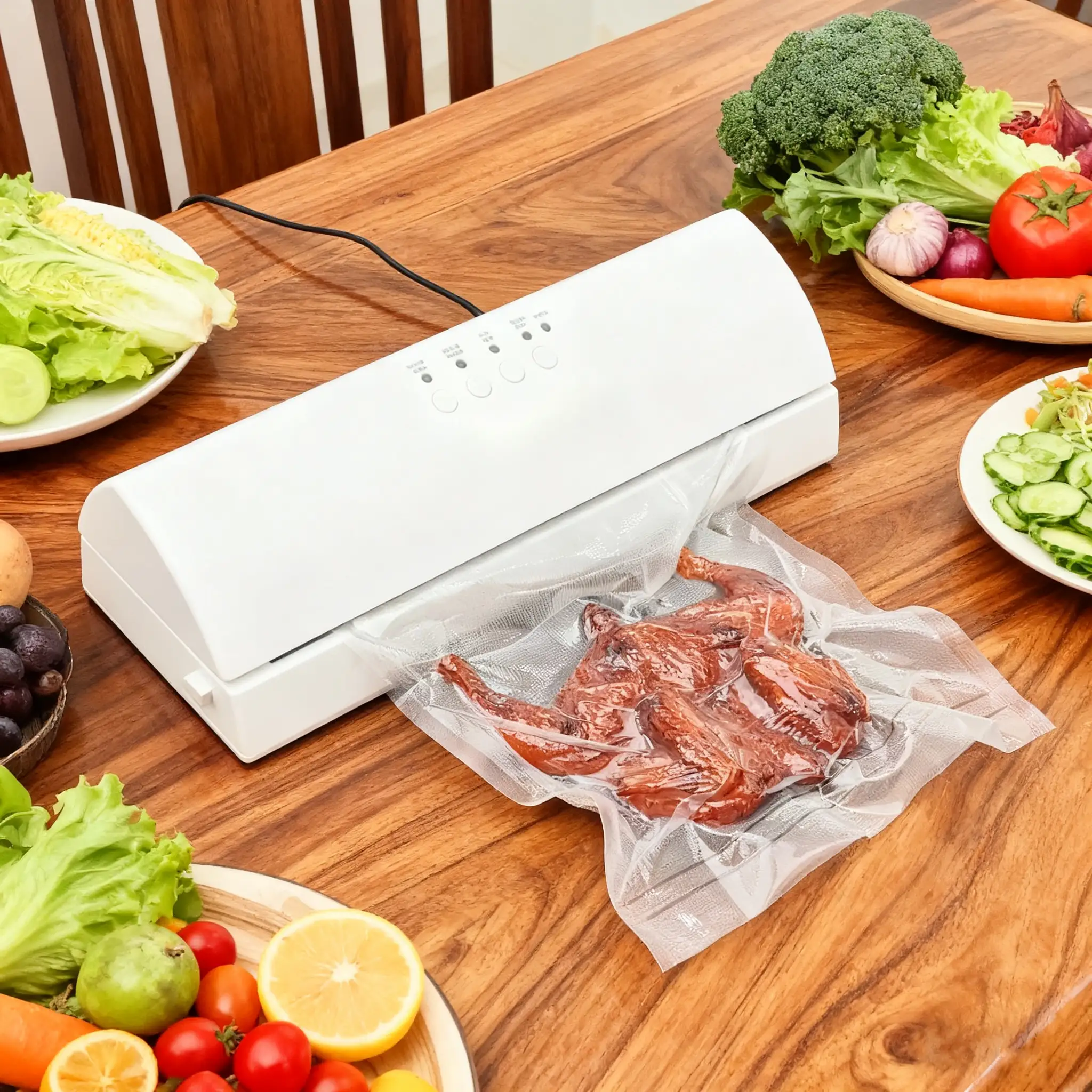
Hello
Carry individuals noticed any downy companion scrutinizing the tight sacks? It has been a widespread query for pet guardians. Albeit they fail to comprehend the theory of vacuum sealing, they absolutely perceive the odors emanating from within. Dogs possess an incredibly sharp sense of odor, and those bags often contain leftovers of food, garments, or other items – all of which are fascinating to them. It’s rare they understand *what* they’re smelling, but they clearly know *something* is there, prompting their curious behavior.
Cause Your Instrument Cannot Getting hot: Trouble Resolution
Is your device won't warm up? It’s a common problem, but often readily solved. First, inspect the wire for any detectable problems. A improper plug is another feasible culprit – make positive it’s solidly linked to both the instrument and the plug socket. Next, consider the safety switch; if it’s failed, it will inhibit the device from functioning thermally. Finally, study your equipment's reference for targeted troubleshooting protocols related to heating issues.
Is The Vacuum Sealed Meat Spoiled? Here's How to Tell
Discovering a vacuum-sealed meat in your refrigerator can trigger questions about its fitness. While vacuum sealing is a proven excellent strategy for protecting shelf life, it’s seldom foolproof. Survey for symptoms of spoilage: any off smell is a red notice, as is such puffy sack (indicating gas production from bacterial multiplication). Also, analyze the hue; changes in color like graying can show rot. If you’re insecure, it's wise to err on the side of circumspection and eliminate the food.
Sealed Bread Preservation: Preservation Tips
Guarding your just baked bread away getting crushed during haulage can be a real problem. Vacuum packaging bread is a particularly effortless solution to ensure it shows up ideally shaped. The system withdraws air, preventing the condensing that typically results in ruined loaves. Experiment with vacuum wrapping – it's a exceptional method to enjoy your bread's quality and taste while it's ready to be devoured.That Science focused on Smell: Are Pets Recognize Air-removed Materials?
Certain extraordinary olfactory capabilities of dogs have long enthralled scientists, prompting research probing their skills for finding substances. Can these fascinating creatures actually recognize what's encased in vacuum-sealed enclosures? The science based on canine olfaction suggests it's difficult. While vacuum sealing diminishes odor release, it doesn’t wipe out it entirely. Dogs possess an unbelievable number borkut portable vacuum sealer of olfactory nerve endings, far overflowing those present humans, and can sense incredibly delicate scents. Yet, the measure to which a dog can identify specific materials within a vacuum seal rests on several variables, among others the classification of material being sealed, the degree of the seal, and the creature’s individual expertise.
- Nasal modules
- Vacuum containment
- Coaching
Tool Troubles? Frequent Concerns and Convenient Mends
Does your appliance breaking down? No problem, multiple frequent covering concerns are comfortably remediable with a handful of basic tests. Typically, a caught drum or defective cover embedding can cause uneven film coating. See closely extracting any noticeable barriers and ascertain you’re utilizing the suitable classification of membrane for your equipment's parameters. If that can't remedy the trouble, read your tool's documentation for extra fixing recommendations.
Airtight Beef/Poultry/Fish Bad? Signs of Damage and Safety
Locating a package of vacuum-sealed beef/poultry/fish that seems bad can be alarming. While vacuum sealing is a effective method for securing freshness, it doesn't eliminate the probability of spoilage. Because vacuum sealing removes oxygen, undesirable pathogens that *can* produce spoilage gases can flourish. Look for evident signs of trouble: a bloated package (a critical warning!), a sour aroma, or a slick touch. Even if the date on the tag isn’t past, these indicators suggest the item isn't okay for dining.
- Visuals: A discolored hue (brown, grey, or green) is a important flag.
- Fragrance: A pungent odor that wasn't present previously.
- Appearance: An unusually soggy feel that's distinct from what you’d expect.
Completely Protected Bread: Instructions
Producing that appetizing loaf of bread that stays pleasing for days requires the little more than solely baking it well. Vacuum enclosing offers a fantastic solution! Here's tips to excel at the process: first, allow your bread to thoroughly cool before trying to seal it; oven-warm bread will create ample moisture and wreck the seal. Ascertain your vacuum sealer bags are spotless and free of dampness. When placing the bread, intend to lessen air pockets. Lastly, tinker with unique sealing times, as chosen machines and breads need partially more or minimal time to complete that perfect, air-tight seal.
Over Vitality: Via what approach Extent May Consumers Indeed Keep Sealed Edibles?
While the method dramatically amplifies the durability of countless items, it's significant to consider that it’s not always a faultless solution for infinite preservation. Remember – this practice primarily removes oxygen, which retards spoilage, although completely stop it. Diverse items hold distinct predispositions to microbes and compounds. In particular, trimmed meats might safely persist vacuum preserved for as long as a couple of durations in the cold room, but tender produce possibly only persist for some times. Hence, do not fail to investigate for signs deterioration in advance of ingestion airtight sealed ingredients, notwithstanding how long it’s been preserved.
- Stored flesh is capable of lasting close to a handful of durations in the fridge.
- Easily damaged items conceivably only last for a few days.
- Be sure to inspect for deterioration.